- Home
- About Us
- Products
- Pulverizer Machine
- Stainless Steel Pulverizer
- 3HP Mild Steel Pulverizer Machine
- 10HP Commercial Pulverizers
- 3 Hp Mini Rice Mill
- SS Pulverizer Machine
- 10 Hp Double Chamber With Cyclone And Blower
- 5HP Industrial Pulverizer Machine
- 16 Inch 5 HP Commercial Flour Mill Machine
- Double Chamber Pulverizer Flour Mill Machine
- Double Chamber Pulverizer Atta Chakki Machine
- 3 HP Double Chamber Pulverizer Machine
- Hammer Pulverizer Masala Making Machine
- Double Chamber Cyclone Atta Chakki
- 5 HP Pulverizer Machine
- Atta Chakki Machine
- Commercial Atta Chakki Machine
- 3 HP Stoneless Atta Chakki Machine
- 2 In1 Pulverizer Machine Stoneless Flour Mill Machine
- Double Chamber Atta Chakki Pulverizer Machine
- Stoneless Commercial Flour Mill Machine
- Stainless Steel Atta Chakki Pulverizer Machine
- Stoneless Atta Chakki Pulverizer Machine
- 2in1 Stainless Steel Pulverizer Atta Chakki Machine
- Hammer Pulverizer Flour Mill Machine
- Hammer Pulverizer Masala Atta Chakki Machine
- Double Chamber Atta Chakki Commercial Flour Mill Machine
- Double Stage Pulverizer Commercial Flour Mill
- Flour Mill
- 6n70 Rice Mill
- Rice Mill
- Ms Body 2 In 1 Pulverizer 3 Hp
- Beshan Making Machine
- Daimond Atta Chakki -
- 18 Inch Commercial Flour Mill Machine
- 16 Inch Commercial Flour Mill Machine
- 14 Inch Masala Making
- 15 Inch Atta Chakki Machine
- 14 Inch Atta Chakki
- Double Stage Pulverizer Commercial Atta Chakki
- 10 Inch Regular Atta Chakki Vertical Flour Mill Machine
- 1 HP Stainless Steel Flour Mill Domestic Machine
- 1 HP Automatic Domestic Stoneless Atta Chakki
- Stoneless Atta Chakki Domestic Flour Mill Machine
- 12 Inch Regular Atta Chakki Vertical Flour Mill Machine
- 14 Inch Flour Mill Machine
- 12 Inch TP Flour Mill Machine
- Stainless Steel Flour Mill Domestic Atta Chakki
- Cattle Feed Making Machine
- Masala Pulveriser Machine
- Food Processing Machine
- Dough Ball Cutting Machine
- 2 In 1 Ss Pulverizer Machine
- Rasgulla Making Machine
- 10 Kg Dough Kneading Machine
- Gravy Making Machine
- 9 Inch Farsan Machine
- 10 KG Potato Peeler Machine
- Potato Slicer Machine
- 3 Litter Wet Grinder Machine
- 5 Kg Dough Kneader Machine
- Potato Chips Dryer Machine
- 7 Inch Farsan Machine
- 25 KG Dough Kneader Machine
- 20 KG Dough Kneader Machine
- 15 KG Dough Kneading Machine
- 50 KG Dough Kneading Machine
- 20 KG Potato Peeling Machine
- Banana Chips Making Machine
- 15 KG Potato Peeler Machine
- 7 Ltrs Commercial Wet Grinder Machine
- 20 Liter Fryer Machine
- Sugarcane Juicer Machine
- Onion Cutting Machine
- Vegetable Cutting Machine
- Commercial Gravy Making Machine
- Gravy Machine
- 2 HP Gravy Making Machine
- 400 W Domestic Mini Oil Mill Machine
- 200 KG Mengo Juice Machine
- 50 KG Mengo Juice Machine
- Automatic Chapati Making Machine
- Roti Making Machine
- 650W Oil Expeller Machine
- 5 Littre Wet Grinder Machine
- Tilting Dryer Machine
- Tilting Oil Dryer Machine
- Commercial Wet Grinder Machine
- 7 Ltr Wet Grinder Machine
- Sugarcane Juice Machine
- Ss Pulverizer
- Mini Rice Mill
- Alkyd Resin Plants
- Alkyd Resin Manufacturing Plant
- 1 Tpd Alkyd Resin Plant
- Pasta Making Machine
- Masala Making Machine
- Cattle Feed Plant
- Chilli Grinding Machine
- Pulverizer With Cyclone
- 2 In 1 Ss Pulverizer 2hp
- 3 Hp Ss Body Pulverizer
- Pasta Making Machines
- 2 In 1 Pulverizer Ss Body 3hp
- Dal Mill Machine
- Sakkar Para Machines
- Laddu Making Machine
- Oil Expellers
- Manual Papad Machines
- Pani Puri Machines
- HEAVY-DUTY DOUBLE CHAMBER PULLVERISER MACHINEs
- Flour Mill (Aata Chakki)
- Mini Cold Press Oil Mill Machines
- Papad Making Machines
- Wet Grinder
- Vaccum Packing Machiness
- BLOWER TYPE PULVERIZER MACHINE
- Cold Press Oil Making Machine
- Namkeen Making Machine
- Farsan Making Machine
- Sugar Grinders
- Rice Mill Machinery
- 16 Inch Atta Chakki Machine
- Stainless Steel Flour Mill Domestic Machine
- 14 Inch Diamond Stone Atta Chakki
- Stoneless Atta Chakki Machine
- Masala Machine
- Masala Grinder Machine
- Mirchi Kandap Machine
- Mirchi Masala Grinder Machine
- 14 Inch Masala Making Machine
- Screenless Pulverizer Machine
- 30 KG Spices Masala Mixing Machine
- Commercial Mirchi Grinder Making Machine
- Stainless Steel Spice Grinder Masala Machine
- Commercial Mirchi Grinder Machines
- Turmeric Grinder Machine
- 2 Bar Mirchi Kandap Machine
- 4 Stick Mirchi Kandap Machine
- 15 To 20 Kg Namkeen Mixer Machine
- 40 To 50 Kg Namkeen Mixer Machine
- 80 To 100 Kg Spices Mixing Machine
- 15 KG Masala Mixer Machine
- 16 Inch Haldi Grinder Masala Chakki
- 50 Kg Spice Mixer Machine
- Commercial Mirchi Grinder Masala Making Machine
- 50 Ltrs Roasting Machine
- 100 Ltrs Roasting Machine
- 50 Ltrs Hot Air Roaster Machine
- 100 Ltrs Industrial Hot Air Roaster Machine
- 150 Ltrs Roaster Machine
- 150 Ltrs Hot Air Roaster Machine
- Sevai Machine
- Poultry Feed Machine
- Cattle Feed Grinder Machine
- Cattle Feed Pellet Machine
- Corn Grinder Machine
- Commercial Animal Feed Grinder Machine
- Cattle Feed Pellet Making Machine
- Cattle Feed Pellet Making Machines
- 50 KG Cattle Feed Mixer Machine
- Cattle Feed Grinder Machine Poultry Feed Making Machine
- Poultry Feed Making Machine
- Poultry Feed Pellet Making Machine
- Pellet Machine Machine
- 400 Kg Poultry Feed Machine Plant
- 600 Kg Commercial Poultry Feed Grinder Machine
- 150 Kg Cattle Feed Mixer Machine
- 300 Kg Cattle Feed Mixer Machine
- 100 Kg Ribbon Blender Mixer Machine
- 400 KG Destoner With Blower Machine
- Grains Processing Machine
- Commercial Rice Mill 10 HP Rice Mill Machine
- Mini Dal Mill Mini Rava Making Machine
- 500 Kg Rice Mill Plant
- Paddy Thresher Machine
- Groundnut Shelling Machine
- Mini Rice Mill With Destoner And Grader Machine
- 30 Inch Vibro Sifter Machine
- 24 Inch Vibro Sifter Screen Separator
- 36 Inch Vibro Sifter Machine
- 60 Inch Vibro Sifter Machine
- 48 Inch Vibro Sifter Machine
- Rice Mill Machine
- Mini Combine Paddy To Rice And Atta Chakki Machine
- Combine Rice Mill With Destoner And Grader Machine
- Mini Combine Rice Mill
- Mini Dal Mill With Grader Machine
- 400 Kg Rice Production Mill Machine
- 6N70 Rice Mill Machine
- 6n70 Rice Mill With Destoner And Grader Machine
- Rice Mills
- 6N40 Chrome Model With 2.2KW Motor With New Square Bucket [White]
- 6N40 Colour With 2.2KW Motor With New Square Bucket [Yellow/Grey], [Red/Grey] [Green/White]
- 6N50 With Blower With 3.0KW (4.5HP) China Motor New Square Bucket [Blue/Grey]
- 6N60 With Trolley Wheel With 3.0KW (4.5HP) China Motor New Square Bucket [Red/Grey]
- 6N40C Ricemill With Down Vibrator Screen With 2.2KW Motor
- 6N40CC Ricemill With Upper Destoner And Down Vibrator Screen With 2.2KW Motor
- 6N80 With 2.2KW Motor With Square Bucket [White]
- 6N80 Blower Type With 2.2KW Motor With Square Bucket [White]
- 6N100 With 2.2KW Motor With Square Bucket [White]
- 6N110 With 2.2KW Motor With Square Bucket [Green]
- 6N70 Ricemill Without Motor
- 6N130 Ricemill Without Motor
- Mini Ricemill 6N70 Pro Distoner And Grader
- Mini Ricemill 6N70 Pro Max Distoner And Grader With Elevator, Elevator Motor And Elevator Accessorie
- Mini Ricemill 6N70 Ultra Pro Max Distoner And Grader With Grinder And Blower With Elevator, Elevator Motor And Elevator Accessories And Grinder
- Pulverizer Machine
- Updates
- Gallery
- Contact Us
6n70 Pro Max Rice Mill
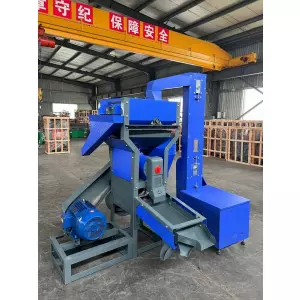
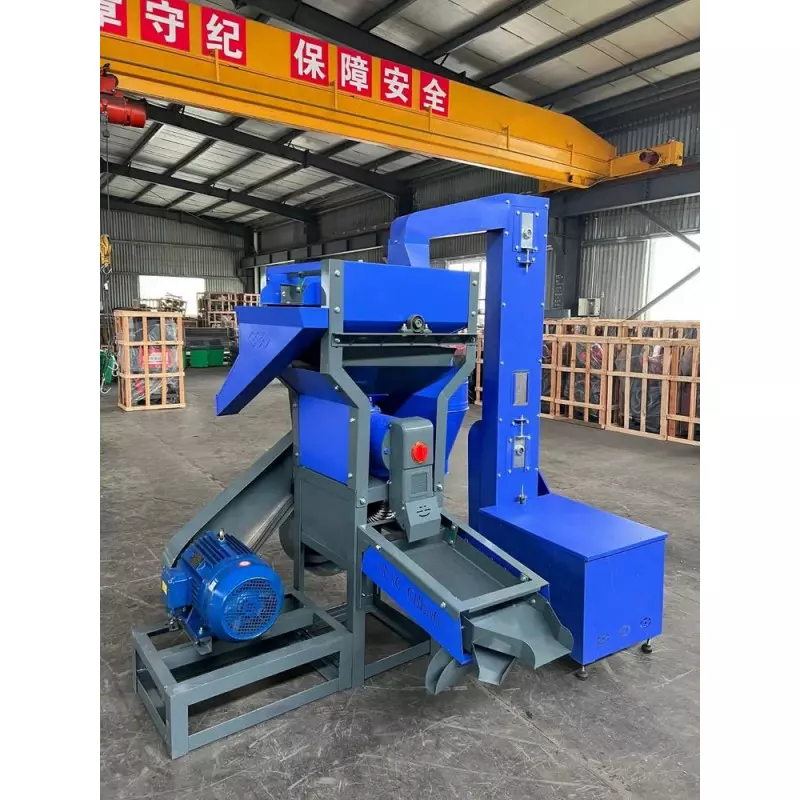
6n70 Pro Max Rice Mill Details
Efficient paddy processing depends on more than simply removing the husk; cleaning, separation and polishing also influence the final rice output. The 6N70 Pro Max Rice Mill is designed as an automatic, double-pass rice milling system for operations requiring a stated capacity of 500–600 kg/hr. With integrated processing attachments, it brings several essential stages together in one fixed machine arrangement.
Integrated Processing from Paddy to Rice
The machine is configured for paddy-to-rice processing and operates with a 10 HP electric power rating. Its double-pass operation is intended for repeated milling action, while the included paddy cleaner, destoner, polisher and elevator support a more organised processing sequence. This combination can be particularly useful for small to mid-size rice-processing operations seeking a dedicated commercial setup.
Technical Specification
| Model | 6N70 Pro Max Rice Mill |
| Capacity | 500–600 kg/hr |
| Power Rating | 10 HP |
| Power Source | Electric |
| Operation Type | Double Pass |
| Automation Grade | Automatic |
| Application | Paddy to Rice |
| Machine Arrangement | Fixed |
| Body Material | Mild Steel |
Processing Attachments Included
- Paddy Cleaner for preliminary cleaning requirements.
- Destoner for separation of stones and other dense impurities.
- Polisher for the rice-finishing stage.
- Elevator for convenient movement of material between processing stages.
- Automatic operation for a more systematic production workflow.
Suitable for Growing Rice-Processing Operations
For rice businesses in Ahmedabad and across Gujarat, a machine that combines multiple processing stages can help simplify the overall milling arrangement. The 6N70 Pro Max is designed for users looking for a compact commercial-grade system rather than separate equipment for every essential stage. Its stated 500–600 kg/hr capacity makes it suitable for operations handling regular paddy-processing volumes.
Actual output can vary according to paddy variety, moisture content, feeding conditions and processing settings. These factors should be evaluated when planning installation and production capacity.
For detailed specifications, machine configuration and application guidance, contact us in Ahmedabad. Share your expected paddy-processing volume and available installation space to discuss the appropriate setup for your rice-milling operation.
Related Products
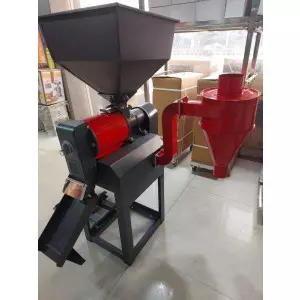
Mini Rice Mill Machinery
For smaller rice-processing operations, the challenge is often finding machinery that offers useful throughput without r... Continue